Visual signals: the effect of nutritional labels, transparency and colour grading
Every few weeks we will share a mix of insights from academic papers, often based on household panel data
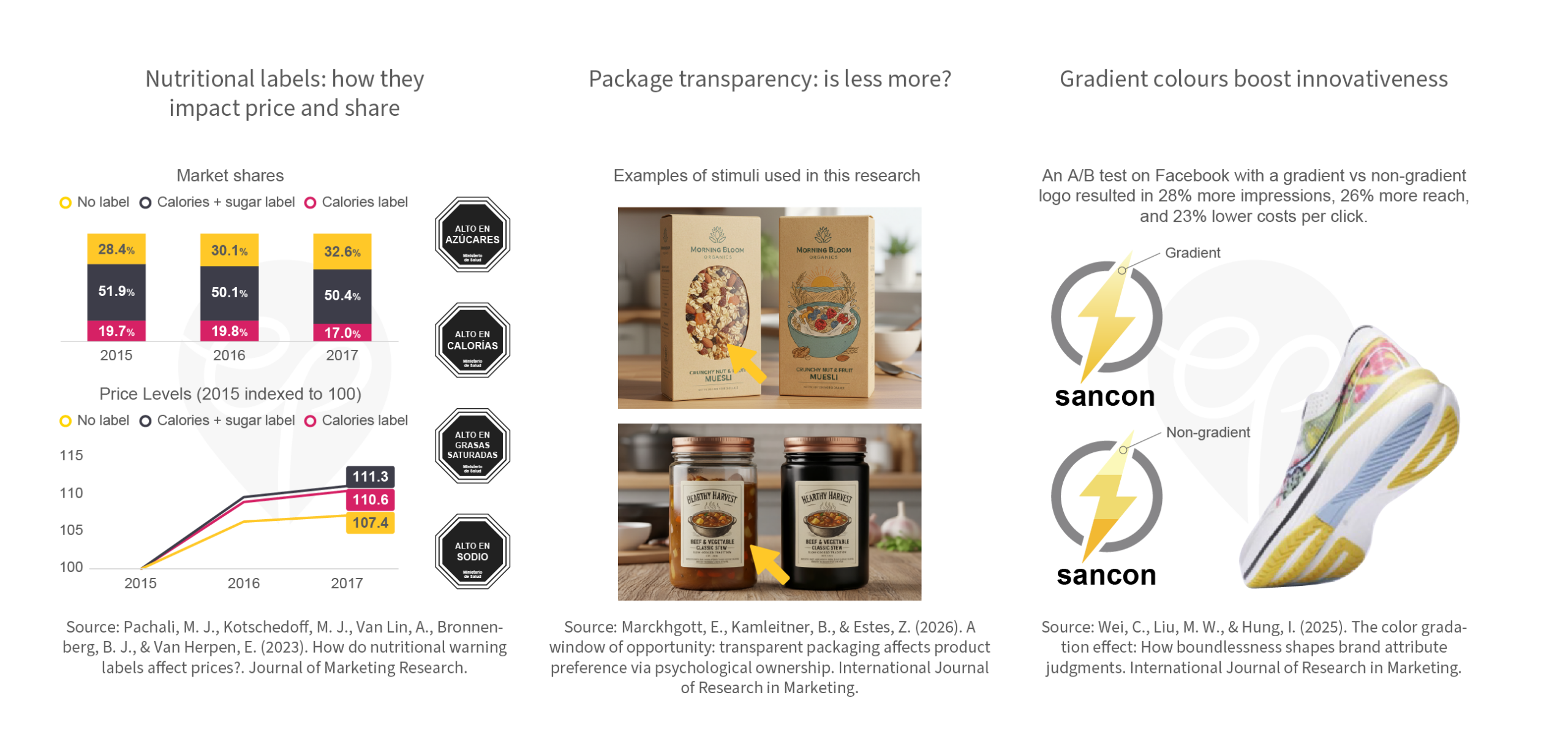
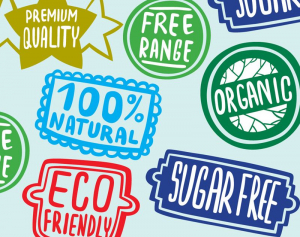
Nutritional labels: how they impact price and share
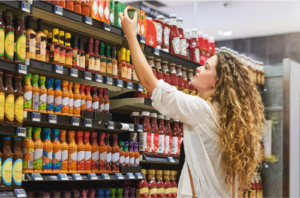
Chile’s mandatory nutritional warning labels (introduced in July 2016) shifted both consumer demand and equilibrium pricing strategies in a surprising way. Prices for labelled (unhealthier) cereals rose more than for unlabelled (healthier) products. This happened because price-sensitive (i.e. lower income) consumers switched to healthier alternatives which consequently experienced lower price increases due to more competition. Less price-sensitive customers kept choosing labelled goods which often increased prices to compensate for volume losses. These price adjustments amplified policy goals by incentivizing low-income, price-sensitive segments to choose nutritional options over unhealthy alternatives.
Package transparency: is less more?
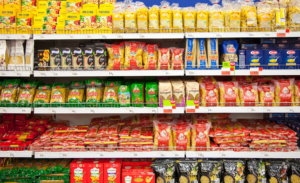
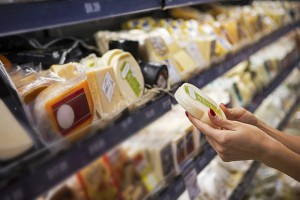
Transparent packaging significantly boosts product preference by reducing visual barriers, which increases psychological ownership—the feeling that a product belongs to the consumer even before purchase. This “window of opportunity” (see the Muesli example in the image) increases purchase intentions for food and non-food items alike, even without providing any additional product information.
Managers should be aware of two key limitations when implementing this strategy. Transparency is less effective:
- for unattractive products (see the stew example shown in the image) or
- when consumers buy for others.
In the first instance anticipating ownership is not appealing. In the second instance this anticipation cannot manifest itself because the product will not be owned by its buyer. Overall, however, transparency facilitates a personal bond that effectively drives sales.
Gradient colours boost innovativeness
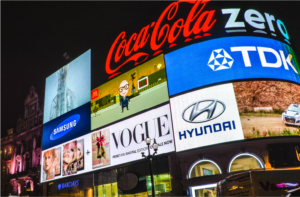
Adopting gradient colour logos significantly increases perceived brand innovativeness and consumer engagement. Smooth, rather than abrupt transitions in colours (see this contrast in the example shown in the image) evoke a sense of boundlessness, signalling that a brand operates without traditional constraints.
A set of experiments shows that this perception increases purchase intentions and click-through rates, especially when innovation is vital to the product category. Managers should leverage gradient colouring for categories where consumers value innovativeness or in communication towards innovative consumer segments to signal a cutting-edge positioning. However, exercise caution in traditional sectors and with conservative consumers where innovation is less valued.